Elegant 3D Decor: A Modern Approach to Personalized Design
Elegant 3D Decor has emerged as a compelling trend in the world of home and product personalization. This design style combines artistic flair with advanced digital techniques, particularly sublimation printing, to create visually striking and dimensionally rich decorative elements. Whether you're crafting custom mugs, phone cases, wall art, or other sublimation-friendly items, Elegant 3D Decor offers a fresh way to elevate aesthetics while maintaining practicality.
What Is Elegant 3D Decor?
Elegant 3D Decor refers to high-quality graphic designs that incorporate three-dimensional effects to give the illusion of depth and texture. These designs are often used for sublimation printing, allowing them to be transferred onto various substrates such as ceramics, glass, metal, and polyester-based materials. The result is a lifelike, eye-catching finish that adds a touch of sophistication to everyday objects.
One of the key features of this decor style is its attention to detail. Artists and designers use specialized software to render intricate patterns, realistic shadows, and layered textures. When printed using sublimation, these elements come to life with vibrant colors and smooth gradients, making each item feel unique and professionally crafted.
Key Characteristics That Set It Apart
Elegant 3D Decor distinguishes itself from traditional flat or 2D designs through several defining traits:
- Depth and Realism: Unlike standard prints, 3D designs simulate depth, making them more engaging and visually dynamic.
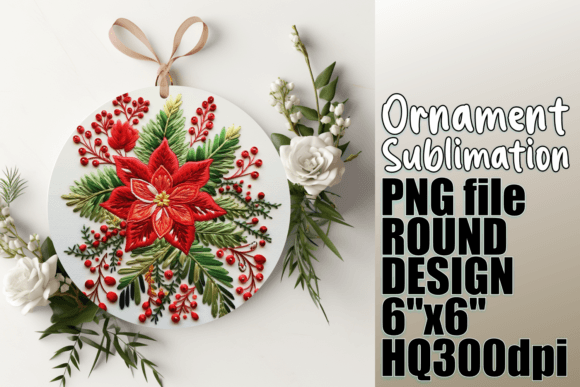
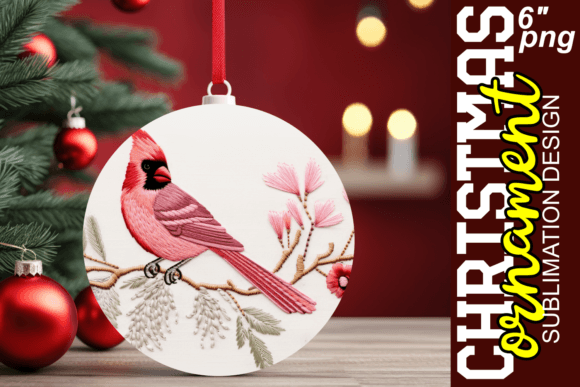
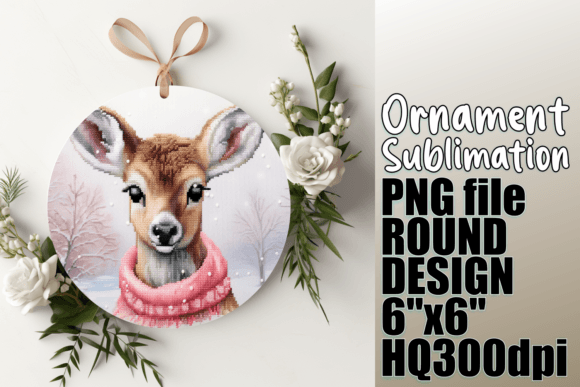
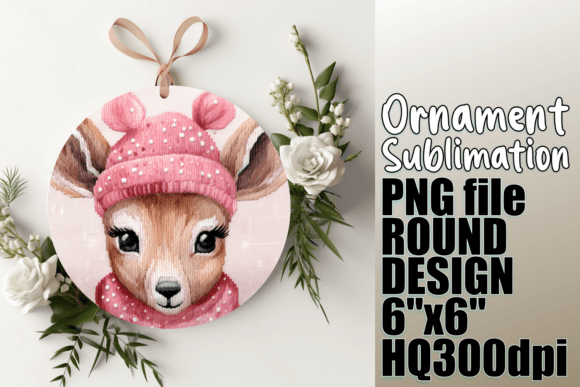
- High-Resolution Output: Files are typically provided at 300 DPI resolution, ensuring sharp, clear results after printing.
- Customizability: Most templates are delivered as PNG files, which are easy to edit using graphic design tools like Photoshop or Illustrator.
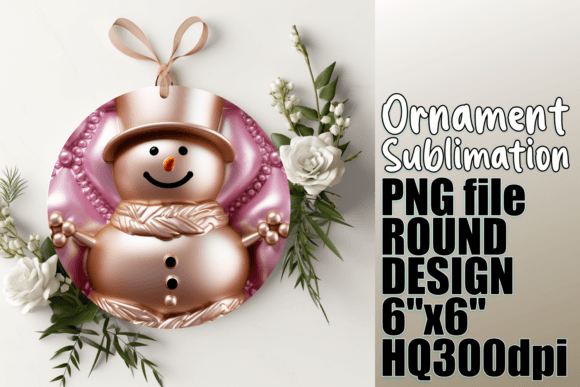
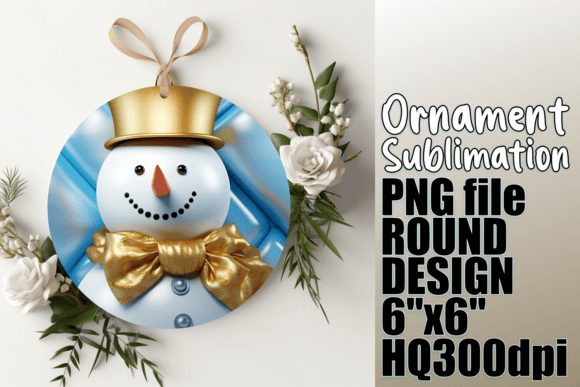
- Versatility: Designed for a 6-inch x 6-inch round format, these files can be adapted for multiple applications, including coasters, plates, and circular signs.
This blend of technical precision and artistic creativity makes it an appealing choice for both hobbyists and professionals looking to enhance their sublimation projects.
How Does It Compare to Other Sublimation Designs?
When choosing between different sublimation design styles, it's important to consider how they align with your creative goals and technical capabilities. Here’s how Elegant 3D Decor stacks up against some common alternatives:
Flat 2D Designs
Flat 2D designs remain a popular option due to their simplicity and ease of creation. They work well for minimalist or abstract themes and require less processing power and time to edit. However, they lack the visual complexity and immersive appeal of 3D designs. If your goal is to produce subtle, elegant pieces without heavy layering or effects, a 2D design might be sufficient.
Vector-Based Art
Vector graphics are another staple in the sublimation industry, especially for logos, icons, and scalable illustrations. These files maintain crisp edges regardless of size, making them ideal for large-format prints. While vector art excels in scalability and clarity, it doesn’t inherently offer the same level of realism or dimensional depth as 3D designs. For those who prioritize photorealistic visuals, Elegant 3D Decor is likely a better fit.
Photographic Prints
Photographs can deliver stunning realism but often suffer from poor contrast or over-saturation when printed via sublimation. In comparison, 3D decor is specifically optimized for the sublimation process, with color profiles and resolutions tailored to ensure the best possible outcome. Additionally, photographic prints may not always include the necessary white space or sizing required for certain products, whereas 3D decor templates are designed with precise dimensions in mind.
Strengths and Tradeoffs of Using 3D Decor Templates
Using pre-made 3D decor templates offers a number of advantages, especially for creators who want to streamline their workflow while achieving professional results. Let’s explore the strengths and limitations of this approach:
Strengths
- Time Efficiency: Ready-to-use templates eliminate the need to start from scratch, saving hours of design time.
- Consistency and Quality: Professionally created templates ensure consistent quality across all prints, reducing errors and rework.
- Compatibility: Many 3D decor files are formatted for specific sublimation products, such as 6-inch round items, ensuring proper alignment and coverage.
- Creative Flexibility: PNG files allow for easy editing—adjusting colors, adding text, or incorporating personalized touches before printing.
Tradeoffs and Limitations
- Learning Curve: To effectively use 3D decor files, users must have a working knowledge of sublimation printing processes, including heat press settings and material compatibility.
- Software Requirements: Editing these files may require graphic design software, which could be an additional cost if you don’t already own it.
- Design Specificity: While many templates are versatile, they may not suit every project. Customization beyond basic edits may require advanced skills.
- Support Constraints: Template providers typically offer limited assistance with the printing process itself, focusing only on issues related to the file content.
Best-Fit Situations for Elegant 3D Decor
Not every sublimation project will benefit equally from 3D decor. Here are some scenarios where this type of design shines:
- Gift Items: Customized mugs, tumblers, or ornaments with a realistic 3D look can make memorable and premium gifts.
- Home Décor: From framed wall art to kitchenware, 3D designs add a modern and luxurious feel to living spaces.
- Merchandise for Events: Weddings, birthdays, or corporate events can feature bespoke décor items that stand out thanks to 3D enhancements.
- Marketing Materials: Unique promotional items with a 3D twist can grab attention and reinforce brand identity in a distinctive way.
In these contexts, the enhanced visual impact of 3D decor can justify the investment in time and resources required to use it properly.
When to Consider Alternatives
While Elegant 3D Decor is impressive, it’s not always the most suitable option. Consider the following situations where simpler or different design approaches might be preferable:
- Low-Budget Projects: If cost efficiency is a priority, using flat 2D designs or vector graphics may be more economical.
- Limited Technical Skills: Without experience in sublimation printing or graphic editing, the complexity of 3D files may lead to unsatisfactory results.
- Minimalist Aesthetics: Some buyers prefer understated, clean designs without added visual effects, which 3D decor may overpower.
- Quick Turnaround: For fast turnaround times, ready-made 2D templates or stock images may be easier to implement without customization delays.
Assessing your audience, budget, and production timeline can help determine whether a 3D design is the right move or if a simpler alternative would serve your needs better.
Practical Examples of Use
To illustrate how Elegant 3D Decor can be applied, here are a few real-world examples:
Example 1: Custom Coffee Mugs
A local café wants to launch a seasonal mug collection. By using a 3D decor template featuring a stylized snowflake or floral motif, they can create a sense of texture and depth that makes the design pop under normal lighting. The 6-inch round format ensures the image wraps correctly around the mug without distortion.
Example 2: Wedding Favors
A wedding planner is tasked with creating personalized favors for a client. With a 3D decor template showing a couple silhouetted against a sunset, they can print these on acrylic photo frames or mini cutting boards. The realism of the 3D effect gives the favors a more refined, luxury appearance compared to standard 2D prints.
Example 3: Retail Merchandise
An online store specializing in tech accessories uses 3D decor templates to design protective cases for phones and tablets. The 3D-rendered graphics of animals or nature scenes provide a tactile-like visual that appeals to customers seeking something unique and stylish.
Decision Factors for Choosing 3D Decor
Selecting the right design style depends on several factors. Here’s what to consider before committing to Elegant 3D Decor:
- Target Audience: Will the 3D effect resonate with your customers? High-end or design-conscious consumers may appreciate the extra detail.
- Product Type: Round or curved surfaces tend to highlight 3D designs better than flat ones. Ensure your template matches the intended application.
- Printing Equipment: Do you have access to a sublimation printer and heat press capable of producing the desired results? Proper equipment is essential for success.
- Editing Capability: Are you comfortable modifying PNG files in design software? Basic knowledge of layers and transparency is helpful.
- Design Intent: If your goal is to convey a bold message or logo, a flat design may be more effective. For aesthetic-driven projects, 3D decor enhances visual appeal significantly.
Final Thoughts on Implementation
Implementing Elegant 3D Decor into your sublimation projects can transform ordinary items into extraordinary ones. Its ability to mimic depth and texture sets it apart from conventional design formats, offering a more immersive and polished final product. However, this comes with increased demands in terms of software proficiency and printing expertise.
If you’re confident in your sublimation setup and looking to impress with a modern, artistic edge, 3D decor templates are an excellent resource. Just remember to ensure you have the correct tools and knowledge to make the most of the included PNG files. As with any design choice, the decision should be guided by your specific goals and audience expectations.